|
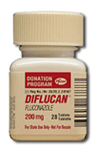
Drug Name: DIFLUCAN
IMPORTANT DIFLUCAN NOTE:
THE FOLLOWING INFORMATION IS INTENDED TO SUPPLEMENT, NOT SUBSTITUTE FOR, THE EXPERTISE AND JUDGMENT OF YOUR PHYSICIAN, PHARMACIST OR OTHER HEALTHCARE PROFESSIONAL. IT SHOULD NOT BE CONSTRUED TO INDICATE THAT USE OF THE DRUG IS SAFE, APPROPRIATE, OR EFFECTIVE FOR YOU. CONSULT YOUR HEALTHCARE PROFESSIONAL BEFORE USING DIFLUCAN.
FLUCONAZOLE - ORAL (flew-CON-uh-zole)
COMMON DIFLUCAN BRAND NAME(S):
Diflucan
DIFLUCAN USES:
Diflucan is an antifungal agent used to treat infections in certain areas of the body caused by yeast and yeast-like organisms.
HOW TO USE DIFLUCAN:
Diflucan works best when the amount of medicine in your body is kept at a constant level. Do this by taking Diflucan at evenly spaced intervals. Take Diflucan as directed since different conditions require different methods of use. Diflucan is usually taken once daily. Another Diflucan dosing method involves taking Diflucan for one week per month until treatment is completed. Continue to take Diflucan until the full prescribed amount is finished even if symptoms disappear after a few days. Stopping Diflucan too early may allow the yeast to continue to grow resulting in a relapse of the infection.
DIFLUCAN SIDE EFFECTS:
Diflucan may cause stomach upset, loss of appetite, altered taste, diarrhea, nausea, headache or dizziness during the first few days as your body adjusts to Diflucan. If these symptoms persist or become severe, inform your doctor. In the unlikely event you have an allergic reaction to Diflucan, seek immediate medical attention. Symptoms of an allergic reaction include: rash, itching, swelling, dizziness, trouble breathing. If you notice other effects while taking Diflucan not listed above, contact your doctor or pharmacist.
DIFLUCAN PRECAUTIONS:
Tell your doctor your medical history, especially of: liver disease, kidney disease, any drug allergies. Diflucan should be used only when clearly needed during pregnancy. Discuss the risks and benefits of taking Diflucan with your doctor. Fluconazole is excreted into breast milk. The manufacturer of Diflucan recommends it not be used while breast-feeding. Consult your doctor before you breast-feed while using Diflucan.
DIFLUCAN DRUG INTERACTIONS:
Tell your doctor or pharmacist of all prescription and nonprescription drugs you may use, especially of: astemizole, cisapride, cimetidine, oral contraceptives, cyclosporine, oral antidiabetic drugs, hydrochlorothiazide, phenytoin, rifampin, rifabutin, certain benzodiazepines (e.g., alprazolam, triazolam), tacrolimus, terfenadine, theophylline, warfarin, zidovudine. Do not start or stop Diflucan or any medicine without doctor or pharmacist approval.
DIFLUCAN OVERDOSE:
If Diflucan overdose is suspected, contact your local poison control center or emergency room immediately. Symptoms of Diflucan overdose may include hallucinations and changes in behavior.
DIFLUCAN NOTES:
Diflucan has been prescribed for your current condition only. Do not use Diflucan later for another infection or give it to someone else. A different medicine similar to Diflucan may be needed.
MISSED DIFLUCAN DOSE:
If you miss Diflucan a dose, take Diflucan as soon as remembered. If it is almost time for the next Diflucan dose, take the scheduled dose only. Do not "double-up" the Diflucan dose to catch up.
DIFLUCAN STORAGE:
Store Diflucan at room temperature away from moisture and sunlight. Do not store Diflucan in the bathroom.
|




 Free Fedex Shipping worth $18 from PharmacyHealth.net on dozens of online drugs and most prescriptions shipped within the same day!

 Diflucan Drug Information