|
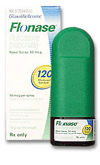
Drug Name: FLONASE
IMPORTANT FLONASE NOTE:
THE FOLLOWING INFORMATION IS INTENDED TO SUPPLEMENT, NOT SUBSTITUTE FOR, THE EXPERTISE AND JUDGMENT OF YOUR PHYSICIAN, PHARMACIST OR OTHER HEALTHCARE PROFESSIONAL. IT SHOULD NOT BE CONSTRUED TO INDICATE THAT USE OF THE DRUG IS SAFE, APPROPRIATE, OR EFFECTIVE FOR YOU. CONSULT YOUR HEALTHCARE PROFESSIONAL BEFORE USING FLONASE.
FLUTICASONE - NASAL SPRAY (flew-TICK-uh-sown)
COMMON FLONASE BRAND NAME(S):
Flonase
FLONASE USES:
Flonase is a nasal corticosteroid that works directly on nasal tissue to reduce swelling and inflammation. Flonase is used to treat itching, runny nose, postnasal drip, nasal congestion and sneezing in people with a history of rhinitis.
HOW TO USE FLONASE:
To get the most benefit from Flonase, make sure you understand how to use Flonase nasal spray properly. Ask your doctor or pharmacist to show you how to use the Flonase pump and nasal adapter. Shake Flonase gently before each use. Before using Flonase for the first time, the unit must be "primed" with 3 to 4 pumps of the Flonase spray. Use Flonase exactly as prescribed. Do not use Flonase more than two sprays in each nostril daily. It may take a few days before the benefits of Flonase are noticed. If no improvement from Flonase occurs after several days, notify your doctor.
FLONASE SIDE EFFECTS:
The more common side effects of Flonase are nose bleeding, blood in nasal mucus, or nasal burning or irritation. Less common or rare occurrences of Flonase are headache, sneezing, runny nose, nasal dryness, congestion, or stomach upset. If these Flonase effects continue or become bothersome, inform your doctor. Long-term use of nasal steroids may cause fungal infections of the nose or throat. Inform your doctor if you develop an infection. Flonase may be discontinued while the infection is treated. Very unlikely to occur from Flonase but report: vision problems, headache, increased thirst or urination, unusual weakness, weight loss, nausea, dizziness. In the very unlikely event you have an allergic reaction to Flonase, seek immediate medical attention. Symptoms of an allergic reaction of Flonase include: rash, itching, swelling, dizziness, trouble breathing. If you notice other effects from Flonase not listed above, contact your doctor or pharmacist.
FLONASE PRECAUTIONS:
Tell your doctor your medical history, especially of: any allergies, eye problems (glaucoma), infections, recent nasal surgery, nasal sores. If you are prescribed doses higher than those usually recommended, avoid exposure to chickenpox or measles. If you do become exposed, notify your doctor promptly. Though very unlikely, it is possible Flonase will be absorbed into your bloodstream. This may have undesirable consequences that may require additional corticosteroid treatment. This is especially true for children and for those who have used this for an extended period if they also have serious medical problems such as serious infections, injuries or surgeries. This precaution applies for up to one year after stopping use of Flonase. Consult your doctor or pharmacist for more details. Flonase should be used only when clearly needed during pregnancy. Discuss the risks and benefits of Flonase with your doctor. It is not known if Flonase is excreted into breast milk. Consult your doctor before breast-feeding. Caution is advised in children as Flonase may affect growth patterns. Consult child's doctor. Avoid use in children under 4.
FLONASE DRUG INTERACTIONS:
Tell your doctor of all other prescription or nonprescription medicines you use, especially of: other nasal products (such as cold products), other corticosteroids (e.g., prednisone), antibiotics. Do not start or stop Flonase or any medicine without doctor or pharmacist approval.
FLONASE OVERDOSE:
If Flonase overdose is suspected, contact your local poison control center or emergency room immediately.
FLONASE NOTES:
Do not share tFlonase with others. Watering or itching eyes often associated with allergies are not significantly relieved by Flonase. Inform all your doctors you use (or have used) Flonase.
MISSED FLONASE DOSE:
If you miss a Flonase dose, take Flonase as soon as you remember. If it is near the time of the next Flonase dose, skip the missed dose and resume your usual Flonase dosing schedule. Do not double the Flonase dose to catch up.
FLONASE STORAGE:
Store Flonase at room temperature between 59 and 86 degrees F (15-30 degrees C) and place Flonase away from light and moisture.
|
|




 Free Fedex Shipping worth $18 from PharmacyHealth.net on dozens of online drugs and most prescriptions shipped within the same day!

 Flonase Drug Information




