|
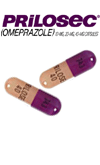
Drug Name: PRILOSEC
IMPORTANT PRILOSEC NOTE:
THE FOLLOWING INFORMATION IS INTENDED TO SUPPLEMENT, NOT SUBSTITUTE FOR, THE EXPERTISE AND JUDGMENT OF YOUR PHYSICIAN, PHARMACIST OR OTHER HEALTHCARE PROFESSIONAL. IT SHOULD NOT BE CONSTRUED TO INDICATE THAT USE OF THE DRUG IS SAFE, APPROPRIATE, OR EFFECTIVE FOR YOU. CONSULT YOUR HEALTHCARE PROFESSIONAL BEFORE USING PRILOSEC.
OMEPRAZOLE DELAYED RELEASE - ORAL (oh-MEH-pruh-zole)
COMMON PRILOSEC BRAND NAME(S):
Prilosec
PRILOSEC USES:
Prilosec (Omeprazole) is used to treat various acid-related stomach and/or throat (esophagus) problems (e.g., GERD, ulcers, erosive esophagitis, or Zollinger-Ellison Syndrome). Prilosec works by blocking the production of acid in the stomach. When using Prilosec to treat certain ulcers, it may be prescribed along with certain antibiotics (e.g., amoxicillin, clarithromycin).
HOW TO TAKE PRILOSEC:
Take Prilosec by mouth, usually once daily, 15 to 30 minutes before a meal; or as directed by your doctor. The Prilosec dosage and length of Prilosec treatment is based on your medical condition and response to therapy. Do not crush or chew Prilosec. Swallow Prilosec whole. If you take sucralfate in addition to Prilosec, take your dose of Prilosec at least 30 minutes before your sucralfate.
PRILOSEC SIDE EFFECTS:
Headache, diarrhea, gas, or constipation, may occur. If any of these effects persist or worsen while taking Prilosec, notify your doctor. Tell your doctor immediately if any of these serious side effects occur from taking Prilosec: rash, stomach/abdominal pain, back pain, unusual tiredness, dizziness, vomiting. Tell your doctor immediately if any of these unlikely but serious side effects occur after taking Prilosec: chest pain, dark urine, yellowing eyes or skin. An allergic reaction to Prilosec is unlikely, but seek immediate medical attention if it occurs. Symptoms of an allergic reaction to Prilosec include: rash, itching, swelling, trouble breathing. If you notice other effects from Prilosec not listed above, contact your doctor or pharmacist.
PRILOSEC PRECAUTIONS:
Tell your doctor your medical history, especially of: liver problems, other stomach problems (e.g., tumors), any allergies. Prilosec should be used only when clearly needed during pregnancy. Discuss the risks and benefits of Prilosec with your doctor. It is not known whether Prilosec passes into breast milk. Because of the potential risk to the infant, breast-feeding while using Prilosec is not recommended. Consult your doctor before breast-feeding if considering using Prilosec.
PRILOSEC DRUG INTERACTIONS:
Tell your doctor of all prescription and nonprescription medication you may use, especially: diazepam, "blood thinners" (e.g., warfarin), hydantoins (e.g., phenytoin), azole antifungals (e.g., ketoconazole, itraconazole), ampicillin, iron supplements, sucralfate, cilostazol. Do not start or stop Prilosec or any medicine without doctor or pharmacist approval.
PRILOSEC OVERDOSE:
If Prilosec overdose is suspected, contact your local poison control center or emergency room immediately. Symptoms of Prilosec overdose may include: confusion, unusual sweating, blurred vision, unusually fast heartbeat, seizures.
PRILOSEC NOTES:
Do not share Prilosec with others. Laboratory and/or medical tests may be performed to monitor your progress.
MISSED PRILOSEC DOSE:
If you miss a Prilosec dose, take it as soon as remembered; do not take Prilosec if it is almost time for the next dose, instead, skip the missed dose and resume your usual Prilosec dosing schedule. Do not "double-up" the Prilosec dose to catch up.
PRILOSEC STORAGE:
Store Prilosec at room temperature away from sunlight and moisture.
|
|




 Free Fedex Shipping worth $18 from PharmacyHealth.net on dozens of online drugs and most prescriptions shipped within the same day!

 Prilosec Drug Information




