|
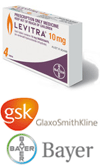
Drug Name: LEVITRA
IMPORTANT LEVITRA NOTE:
THE FOLLOWING INFORMATION IS INTENDED TO SUPPLEMENT, NOT SUBSTITUTE FOR, THE EXPERTISE AND JUDGMENT OF YOUR PHYSICIAN, PHARMACIST OR OTHER HEALTHCARE PROFESSIONAL. IT SHOULD NOT BE CONSTRUED TO INDICATE THAT USE OF THE DRUG IS SAFE, APPROPRIATE, OR EFFECTIVE FOR YOU. CONSULT YOUR HEALTHCARE PROFESSIONAL BEFORE USING LEVITRA.
VARDENAFIL - ORAL (Vardenafil hydrochloride trihydrate)
COMMON LEVITRA BRAND NAME(S):
Levitra
LEVITRA USES:
Levitra is used to treat erectile dysfunction sometimes known as impotence in men. Erectile dysfunction is the inability to obtain and or maintain a hard erect penis for sexual activity.
Levitra tablets contain the active ingredient vardenafil (present as vardenafil hydrochloride trihydrate) which belongs to a group of medicines called phosphodiesterase type 5 inhibitors. These work by relaxing the blood vessels in the penis when you are sexually aroused. This allows blood to flow into the penis, allowing you to get an erection in the natural way. Levitra will only work if you are sexually excited. It will not increase your sex drive. Levitra is not approved for use in women. Levitra tablets are not addictive.
HOW TO USE LEVITRA:
How much Levitra should I take? Your doctor or pharmacist will tell you how much and how often you should take Levitra. Follow the directions given to you by your doctor or pharmacist carefully. They may differ from the information contained in the Levitra leaflet.
The Levitra dose ranges from 5 mg to 20 mg. Your doctor will determine the correct Levitra dose for you depending on your condition and response. Do not take more than one dose of Levitra a day.
When do I take Levitra? Take your dose of Levitra 25 to 60 minutes before you wish to have sex. Swallow the Levitra tablet whole with a glass of water.
Sexual stimulation is required for a natural response to treatment with Levitra.
Levitra can be taken with or without food.
Levitra may be taken anywhere between 15 minutes to up to 5 hours before sexual activity. The amount of time Levitra takes to start working varies from person to person, but Levitra normally takes between 25 to 60 minutes. If you are not sure what to do, ask your doctor or pharmacist about taking Levitra. If you have trouble remembering when to take Levitra, ask your pharmacist for some hints.
LEVITRA SIDE EFFECTS:
Tell your doctor or pharmacist as soon as possible if you do not feel well while you are taking Levitra.
Levitra helps most men with erectile dysfunction, but it may have unwanted side effects. Sometimes they are serious, most of the time they are not. You may need to stop taking the Levitra tablets or have medical treatment if you get some of the serious side effects.
Tell your doctor if you notice any of the following and/or they worry you: headache, flushing, dyspepsia (heartburn), nausea, dizziness or light-headedness, a stuffy or runny nose, sensitivity of the eye to sunlight, high or low blood pressure, stiffness in muscles, pain in the joints, rash, stomach or abdominal pain.
These are the more common side effects of Levitra. They are usually mild and short-lived. Very rarely, your erection may persist for longer than usual after taking Levitra. If your erection continues for longer than four hours, or if you have a painful erection, you should seek medical attention.
Tell your doctor immediately, or go to the accident and emergency department at your nearest hospital if you notice any of the following: severe chest pain, angina, irregular heart beats, loss of consciousness.
These are serious Levitra side effects. You may need urgent medical attention or hospitalisation. Other Levitra side effects not listed above may also occur in some patients. Tell your doctor if you notice anything else that is making you feel unwell while taking Levitra. Do not be alarmed by this list of possible side effects. a very small percentage of people taking Levitra experience them.
LEVITRA PRECAUTIONS:
Things you must do before taking Levitra: Tell all the doctors, dentists and pharmacists who are treating you that you are taking Levitra.
If you are about to start taking any new medicines, especially nitrates, tell your doctor or pharmacist that you are taking Levitra. See "BEFORE YOU TAKE Levitra" for a list of common nitrate medications. If Levitra does not help you get an erection, or if your erection does not last long enough to complete sexual intercourse, tell your doctor. In these cases, your doctor may need to adjust your dose.
Things you must not do while taking Levitra: Do not use the unregistered drug amyl nitrite (sometimes called 'poppers', 'amyl' or 'rush') while you are taking Levitra.
If you get an angina attack whilst taking Levitra, do not take nitrate medicines to relieve the pain. Tell your doctor immediately. Make sure that your doctor knows you are taking Levitra.
Do not take more than one dose of Levitra a day. If Levitra does not help you get an erection, or if your erection does not last long enough to complete sexual intercourse, tell your doctor. Do not give your Levitra tablets to anyone else, even if they have the same condition as you.
LEVITRA DRUG INTERACTIONS:
Do not take Levitra if you are using nitrate or nitric oxide donor medicines for angina. Tell your doctor or pharmacist if you are taking any other medicines, including those that you buy without a prescription from your pharmacy, supermarket or health food shop.
Some medicines may be affected by Levitra or vice versa. These medicines include: ketoconazole and itraconazole, used to treat fungal infections, erythromycin, an antibiotic, ritonavir and indinavir and other protease inhibitors used for the treatment of HIV infection, alpha-blockers, medicines used to treat an enlarged prostate (BPH) or high blood pressure. Examples of alpha-blockers areterazosin, tamsulosin and prazosin.
You may need to use different amounts of Levitra, or you may need to take different medicines. Your doctor will be able to advise you. Your doctor or pharmacist will also have a more complete list of medicines to be careful with or avoid while taking Levitra.
Ask your doctor or pharmacist, if you are not sure if you are taking any of these medicines.
LEVITRA OVERDOSE:
If Levitra overdose is suspected, contact your local poison control center or emergency room immediately. Symptoms of Levitra overdose may include severe dizziness, fainting, or prolonged erection.
LEVITRA NOTES:
Do not share Levitra with others, since they may have a problem that is not effectively treated by Levitra. Use of Levitra does not protect against sexually transmitted diseases (e.g., HIV, Hepatitis B, gonorrhea).
MISSED LEVITRA DOSE:
Do not douple up on your Levitra dose or take more than either recommended by your physician or by the Levitra information leaflet.
LEVITRA STORAGE:
Store Levitra at room temperature between 59 and 86 degrees F (15-30 degrees C) away from light and moisture.
|




 Free Fedex Shipping worth $18 from PharmacyHealth.net on dozens of online drugs and most prescriptions shipped within the same day!

 Levitra Drug Information